English
 Español
 العربية
 Francés
 Português
 Deutsch
 Italiano
 Kazakh
 Uzbek
Uzbek

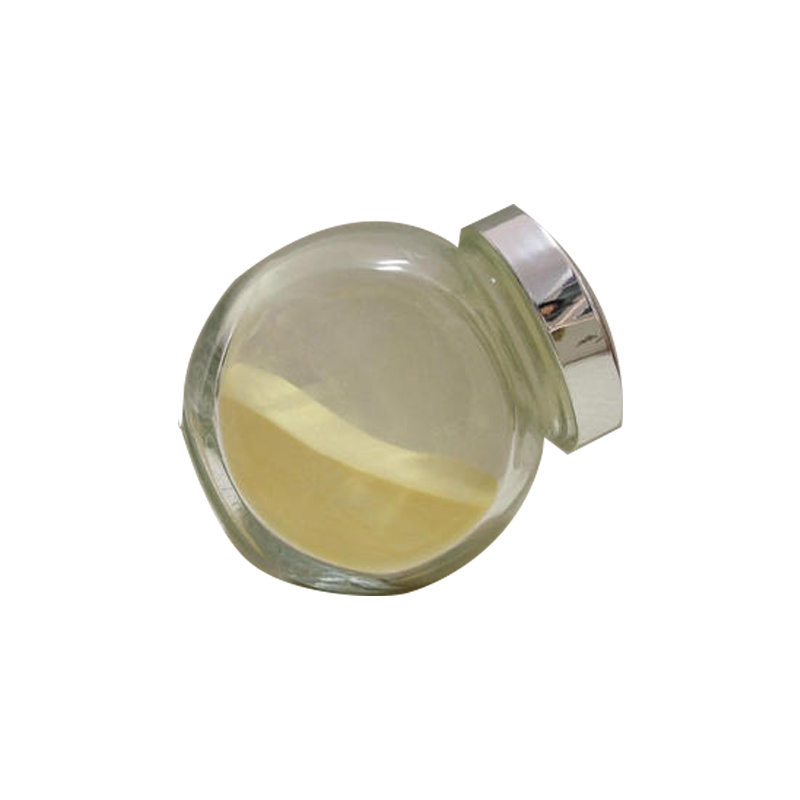
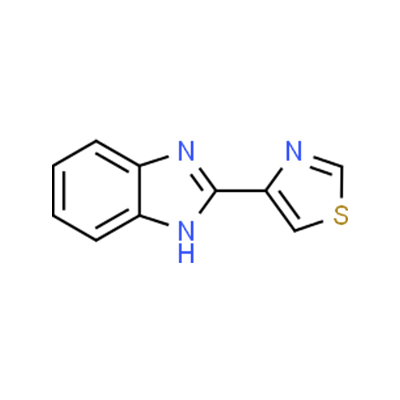
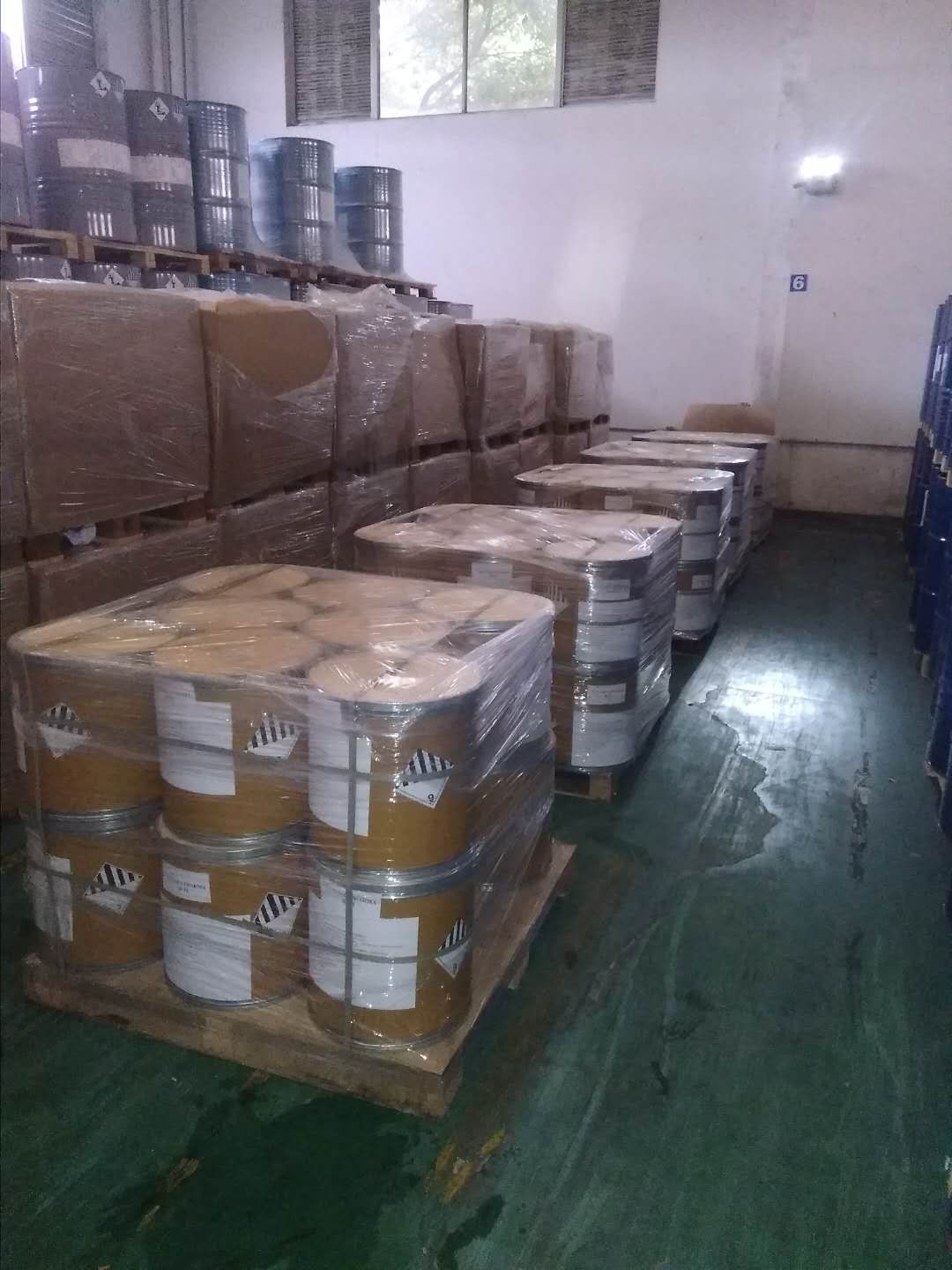
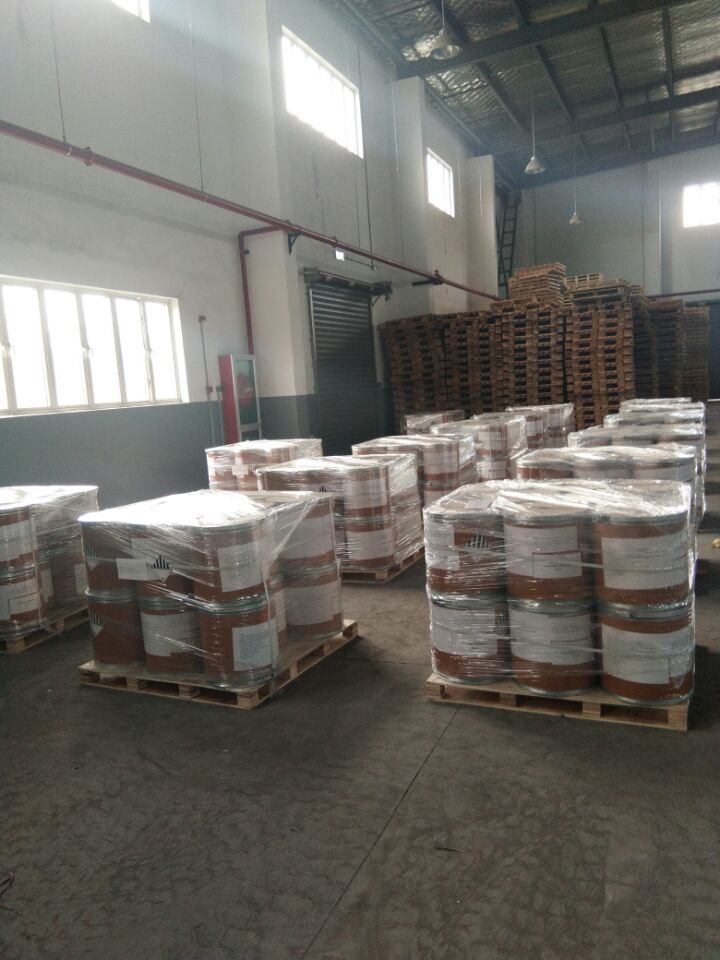
Thiabendazole CAS#148-79-8
CAS Number: 148-79-8
Chemical Formula: C10H7N3S
Synonyms:
STORITE
TBZ
THIABENDAZOL
MOQ (Minimum Order Quantity): 1 FCL (Full Container Load)
Appearance: Yellow Powder
Thiabendazole CAS#148-79-8
Thiabendazole is a kind of fungicide and parasiticide. As a fungicide, it can be used for the treatment of mold, blight and many other fungal diseases occurring in fruits and vegetable. As an antiparasitic, it is capable of treating roundworms, hookworms, and other kinds of helminth species that can attack wild animals, livestock and humans. It also has effects of inhibiting the angiogenesis of cells. The mechanism of action is still not fully understood. It has found that Thiabendazole is capable of suppressing the helminth-specific mitochondrial enzyme fumarate reductase, further inhibiting the citric acid cycle, mitochondrial respiration and ATP production, leading to helminth’s death. It may also inhibit the microtubule polymerization processes.
Thiabendazole Chemical Properties |
Melting point | 298-301°C |
Boiling point | 446.0±37.0 °C(Predicted) |
density | 1.2271 (rough estimate) |
vapor pressure | Negligible at room temperature |
refractive index | 1.5500 (estimate) |
storage temp. | Sealed in dry,Room Temperature |
solubility | Soluble in methanol and dimethyl sulfoxide. |
pka | pKa 4.7 (Uncertain) |
form | powder |
color | light yellow |
Water Solubility | 0.005 g/100 mL |
Merck | 14,9289 |
BRN | 611403 |
Cosmetics Ingredients Functions | ANTIMICROBIAL |
InChI | 1S/C10H7N3S/c1-2-4-8-7(3-1)12-10(13-8)9-5-14-6-11-9/h1-6H,(H,12,13) |
InChIKey | WJCNZQLZVWNLKY-UHFFFAOYSA-N |
SMILES | c1ccc2[nH]c(nc2c1)-c3cscn3 |
LogP | 2.470 |
CAS DataBase Reference | |
NIST Chemistry Reference | |
EPA Substance Registry System |
Safety Information |
Hazard Codes | |
Risk Statements | |
Safety Statements | |
RIDADR | UN 3077 9/PG 3 |
WGK Germany | 2 |
RTECS | DE0700000 |
TSCA | TSCA listed |
HazardClass | 9 |
PackingGroup | III |
HS Code | 29341000 |
Storage Class | 11 - Combustible Solids |
Hazard Classifications | Aquatic Acute 1 |
Hazardous Substances Data | |
Toxicity | LD50 in mice, rats, rabbits (g/kg): 3.6, 3.1, >3.8 orally (Robinson) |
Product Application Of Thiabendazole CAS#148-79-8
Thiabendazole; a thiazolyl benzimidazole available for oral administration. It is active against most common intestinal nematodes. As a result of its larvicidal and ovicidal activity, it is effective in strongyloidiasis, trichinosis, visceral larva migrans and cutaneous larva migrans.
It is well absorbed from the small intestine. Peak plasma levels are reached about 1–2 h after a single oral dose of the suspension. It is extensively metabolized in the liver to the 5-hydroxy derivative, which is inactive. Most of the drug is excreted within 24 h. About 90% is excreted in the urine, chiefly as glucuronide or sulfate conjugates; the remainder is passed in the feces.
A wide range of unpleasant side effects occur, including nausea and other gastrointestinal upsets, fever and neurological effects. It has been largely replaced by the less toxic benzimidazole carbamates. Although active against Ascaris lumbricoides, E. vermicularis and hookworms, it should not be used as primary therapy for these infections.
Fact Factory and Equipment Show
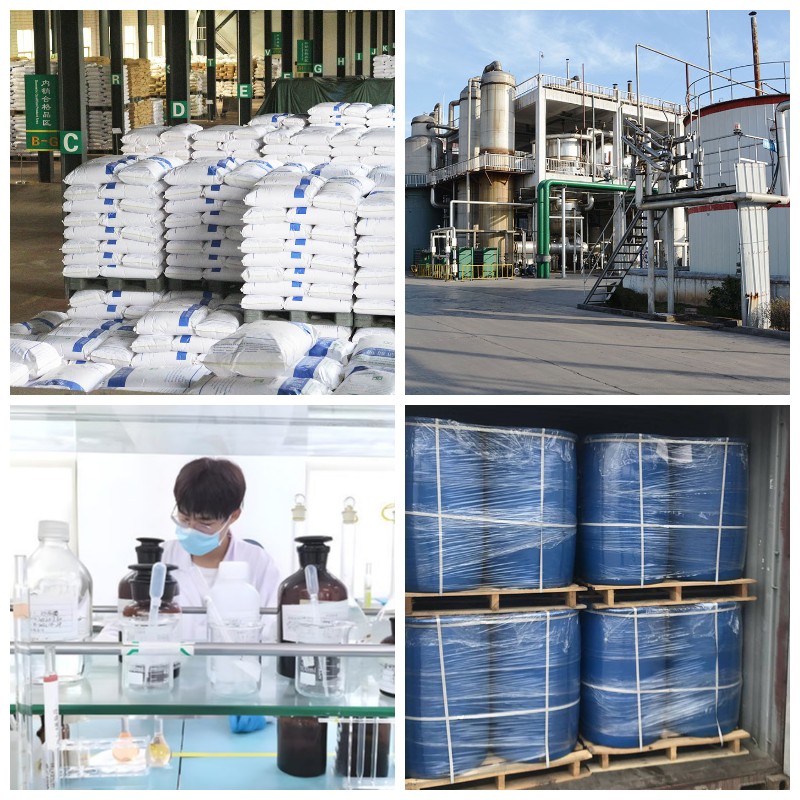
Fast delivery time
Inventory 2-3 working days New production 7-10 working days